RIO EDITIONS · PHOTOGRAPHY MASTERCLASS

Zé Pelintra in Rio

with Graeme Williams

Zé Pelintra Photography Masterclass in Rio de Janeiro with Graeme Williams, July 2027

Arrive with an idea, leave with a photo-essay.

Seven days in Rio during Lapa's July street festival.

2–8 July, 2027 · Nine spots

THE FORMAT

One master. One Rio moment. Nine photographers.

From idea to photo-essay
Each day opens with a talk by Graeme on one step of the photo-essay. Then you head out with the group to work on your own subject, returning to it day after day. On the last day, you present what you found as a sequence

A master’s full attention

With nine in the group, Graeme looks at your pictures all week: in group critiques, where everyone learns from everyone’s work, and in one-on-one sessions on yours.

Rio from the inside

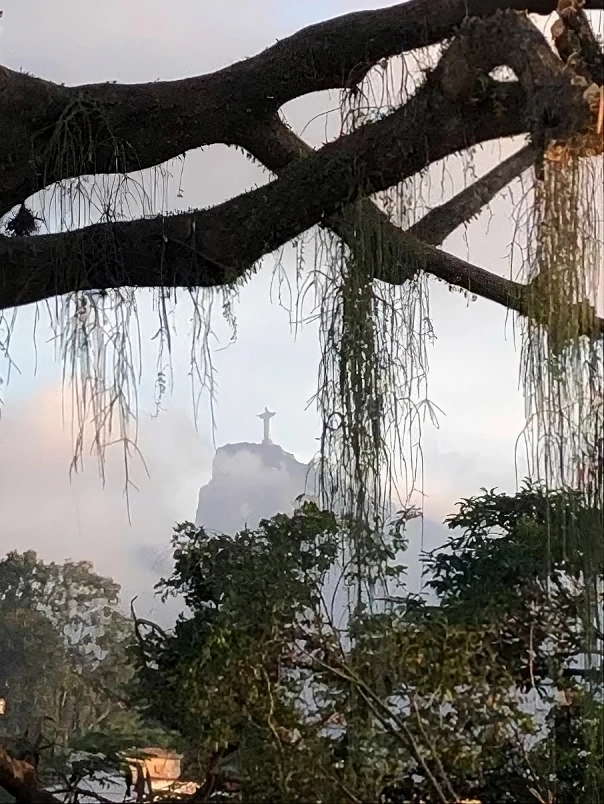
The week is timed to Lapa’s July street festival, with days in the old center, a hillside community and on the beach. You stay in a villa in Santa Teresa, with a local team that knows the people and opens the doors.

YOUR MASTER

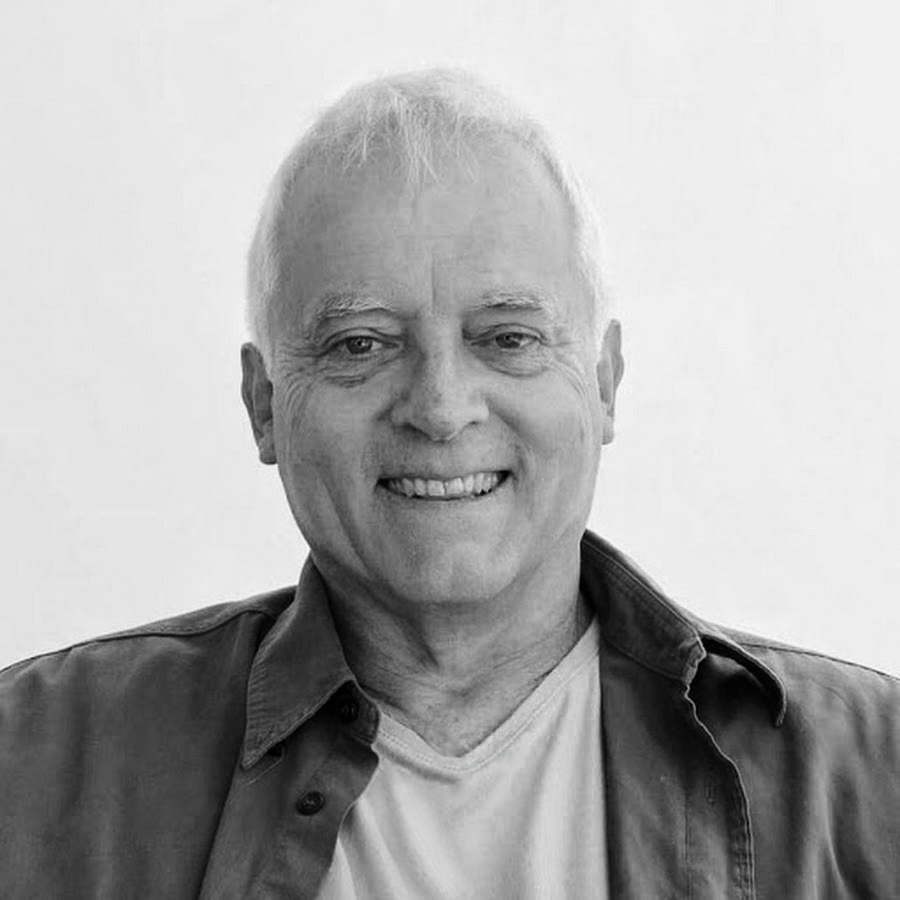
Graeme Williams

Portrait of photographer Graeme Williams

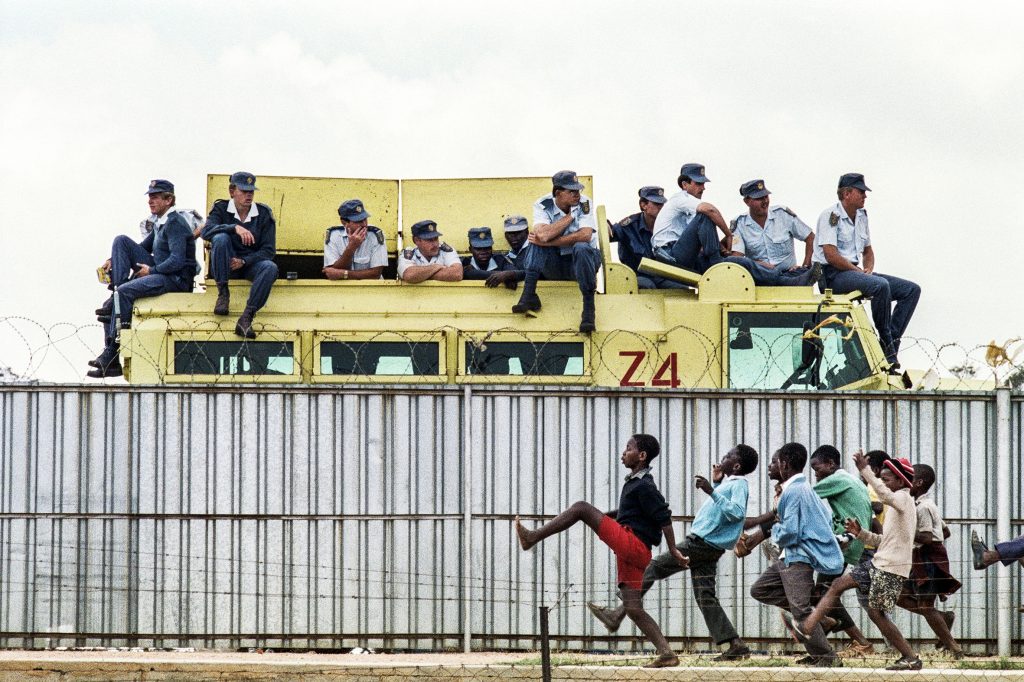
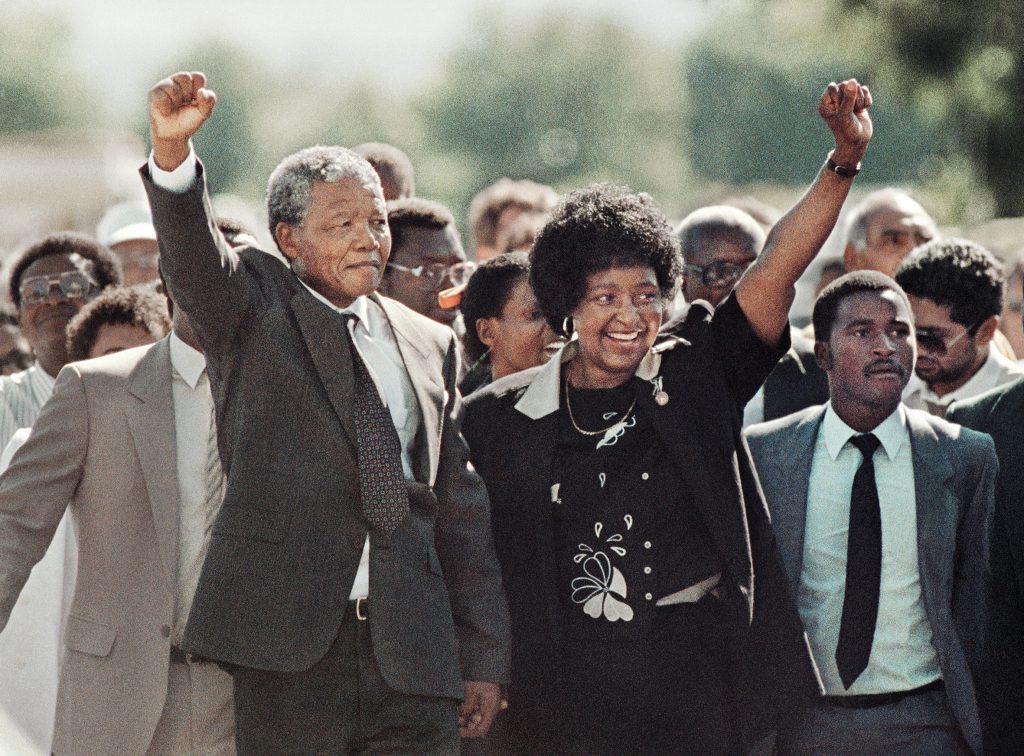
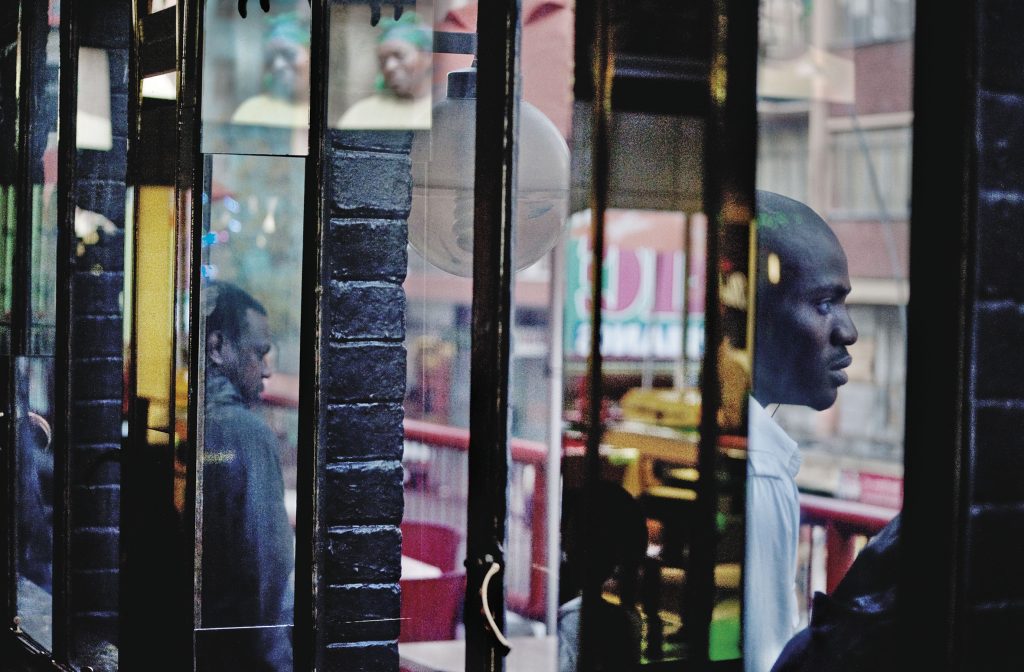
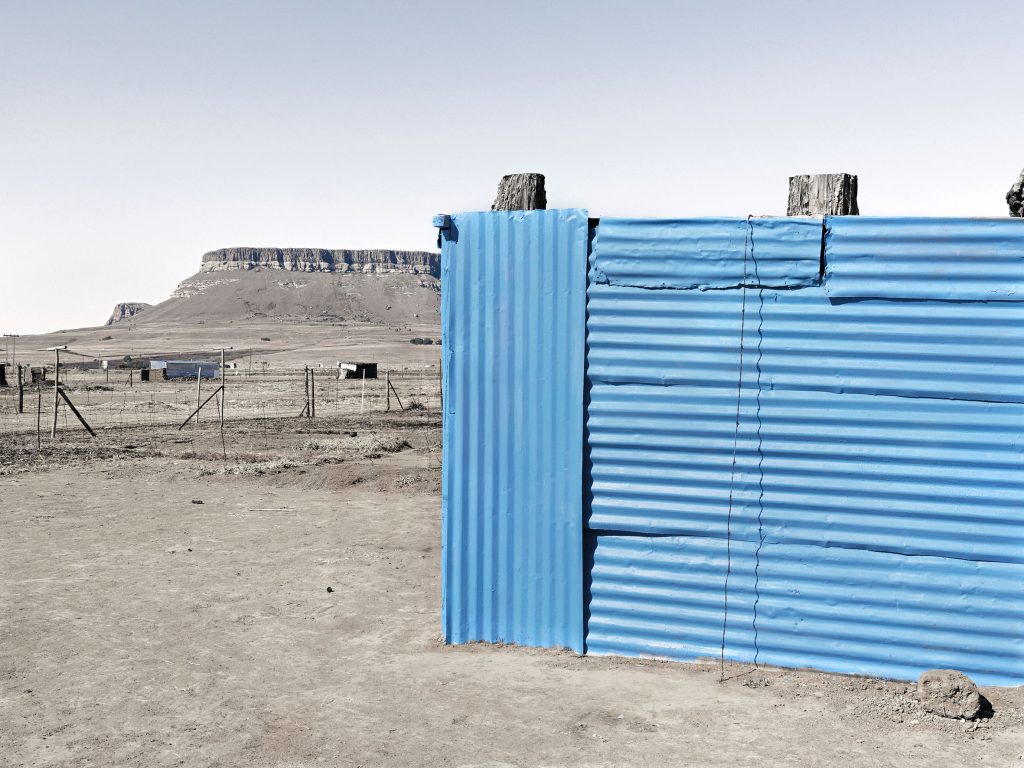
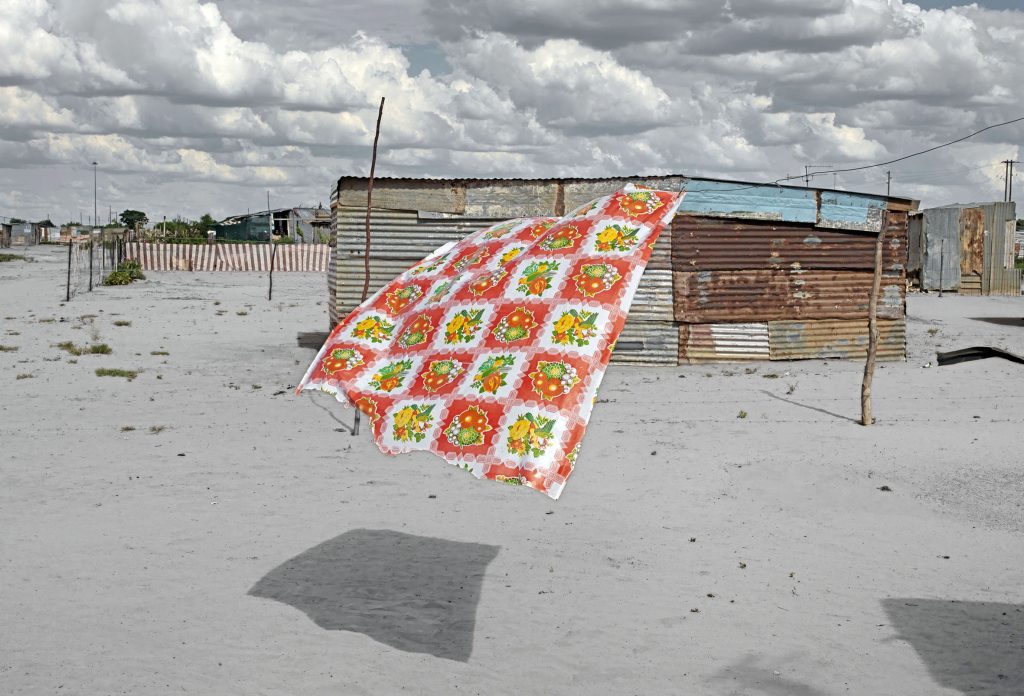
Graeme Williams has spent more than three decades photographing cities in change. Born in Cape Town in 1961, he worked for Reuters from 1989 and was part of the Afrapix collective, documenting the end of apartheid in South Africa. His books include The Edge of Town and A City Refracted, the series that won the Ernest Cole Award. His work has been shown at the V&A in London and is held by the National Museum of African Art in Washington.


He is also a teacher at heart. Every week on his YouTube channel, Photographic Conversations, he explores how photographers work and what makes their pictures last, and he mentors photographers one to one, from young South Africans to students around the world.


For one week in Rio, he helps you build your own photo-essay. 

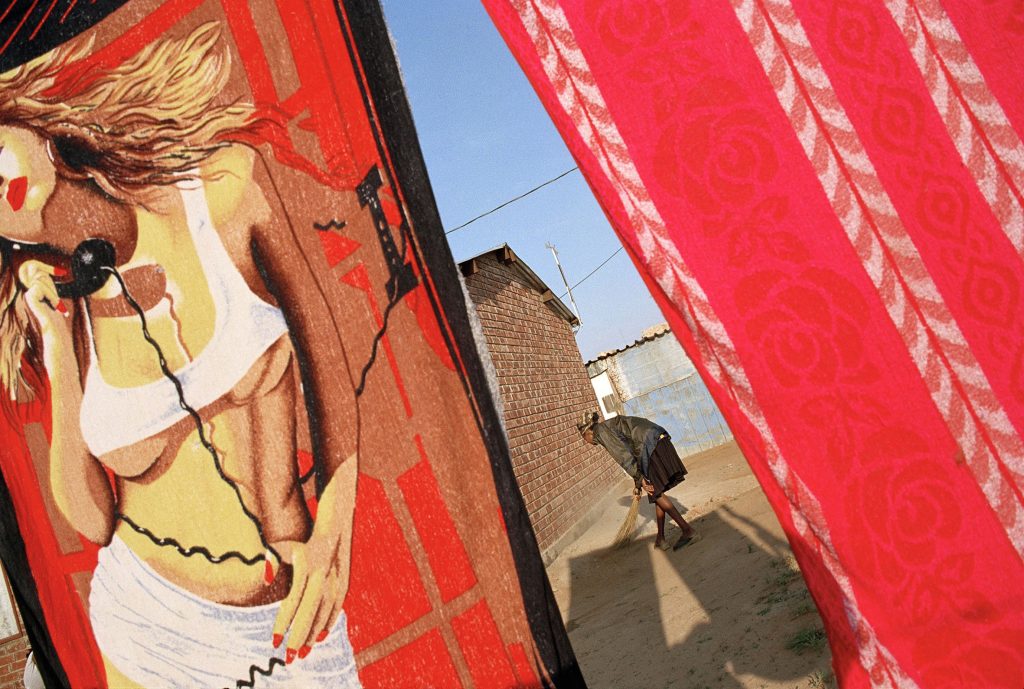
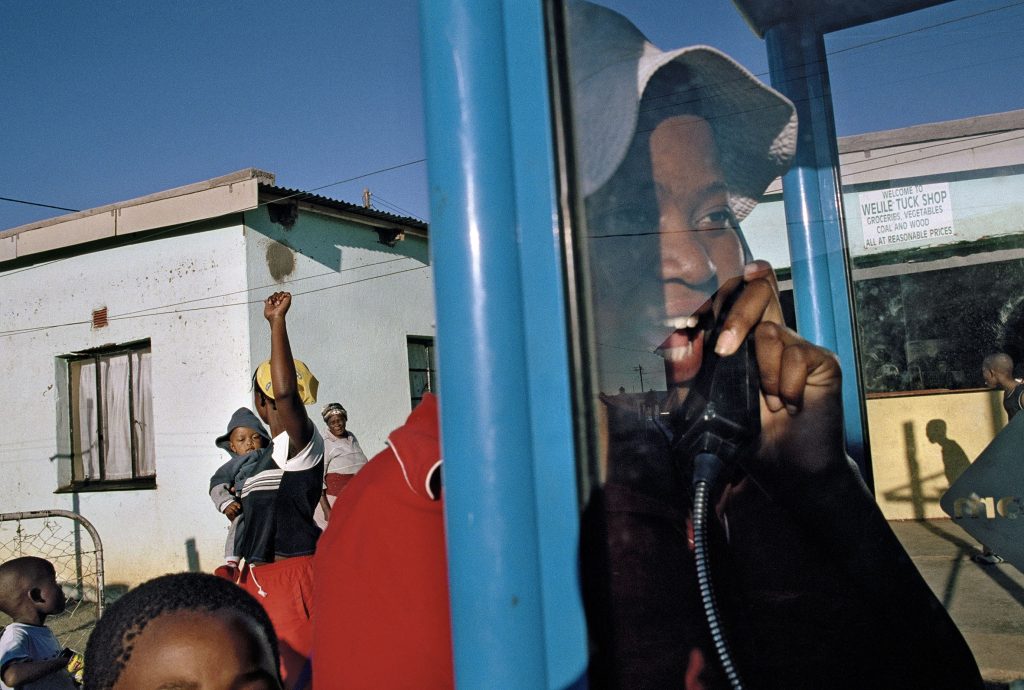
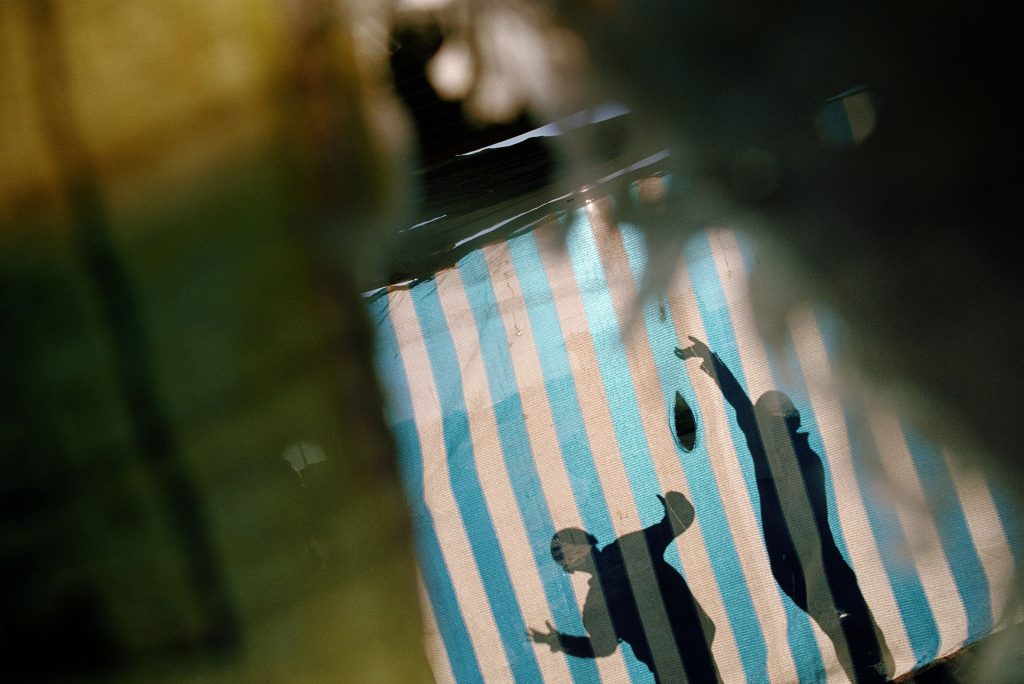
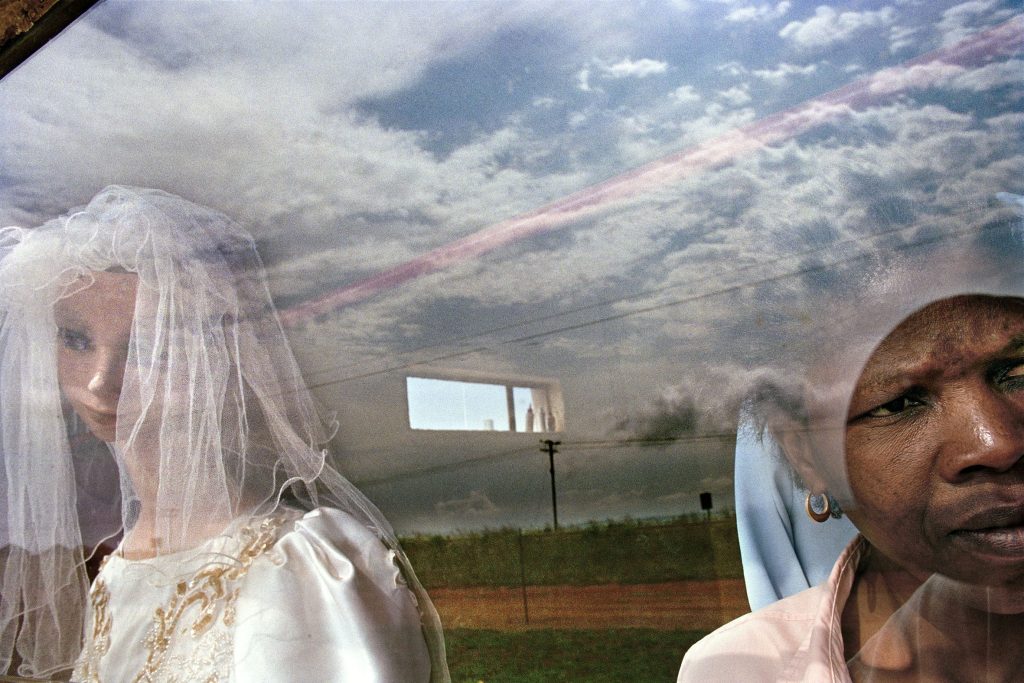
Photo gallery © Graeme Williams

RIO EXPERIENCE

The festival and the city

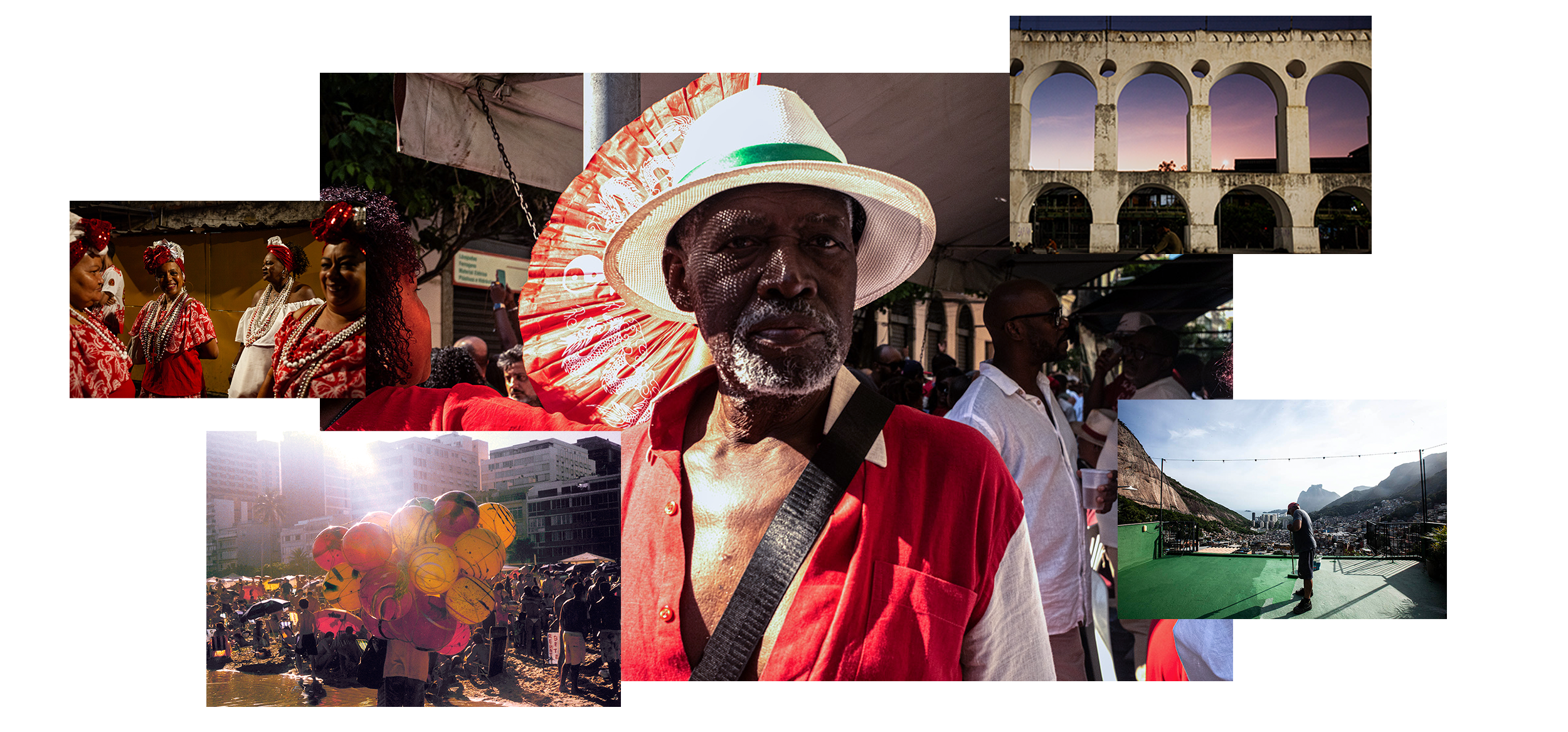
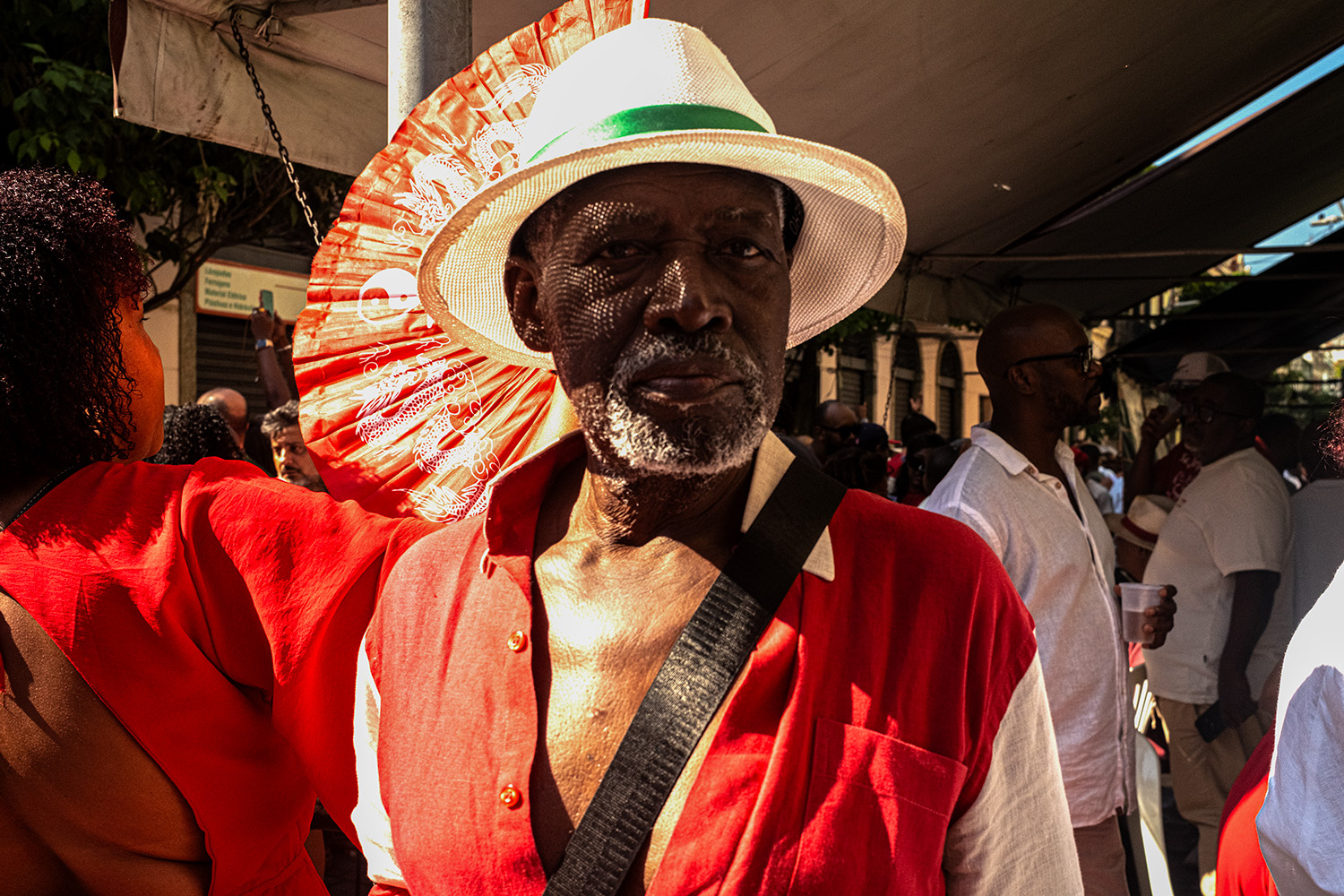
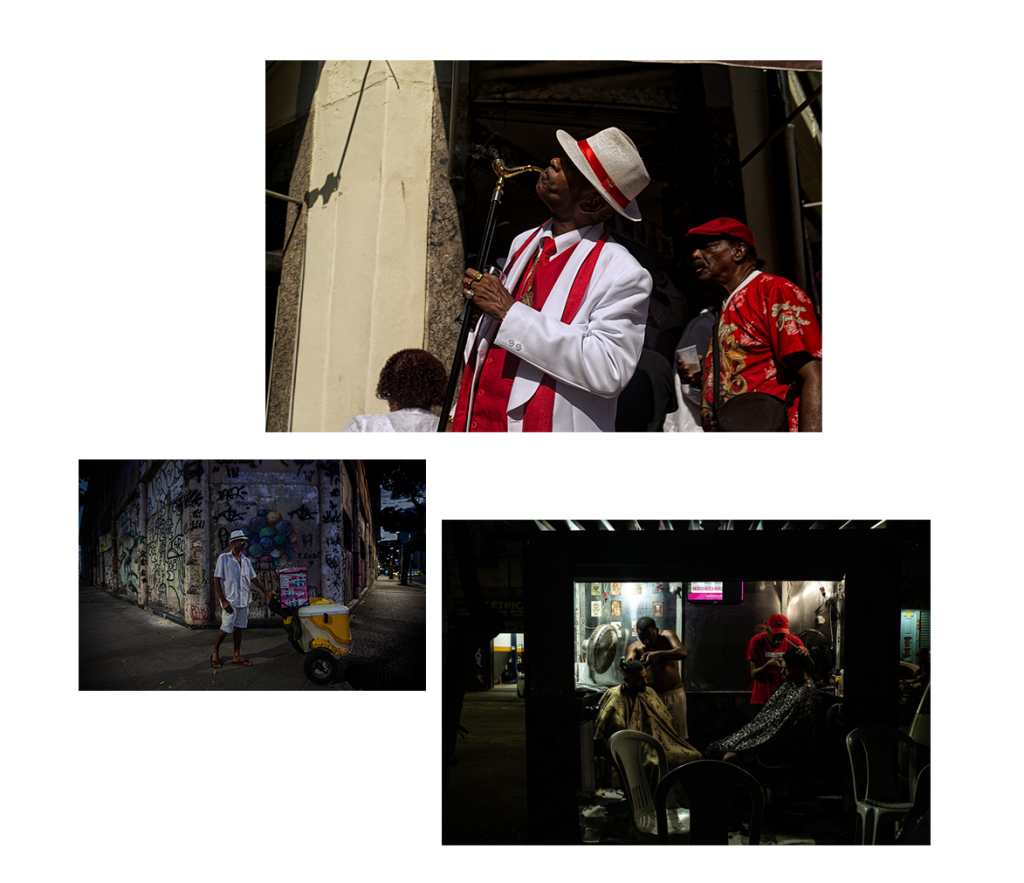
Revelers dressed as Zé Pelintra in white suits, red ties and panama hats, makeshift barber on the street, ice cream vendor on a downtown street corner.

Zé Pelintra is a legendary figure of Rio’s bohemian life: a charming rogue in a sharp white suit, red tie and panama hat, and the patron of Lapa’s streets. Our week is built around his July festival, when Cariocas dress in his colors and fill the streets under the Arcos da Lapa with processions, samba and music, from afternoon into the night

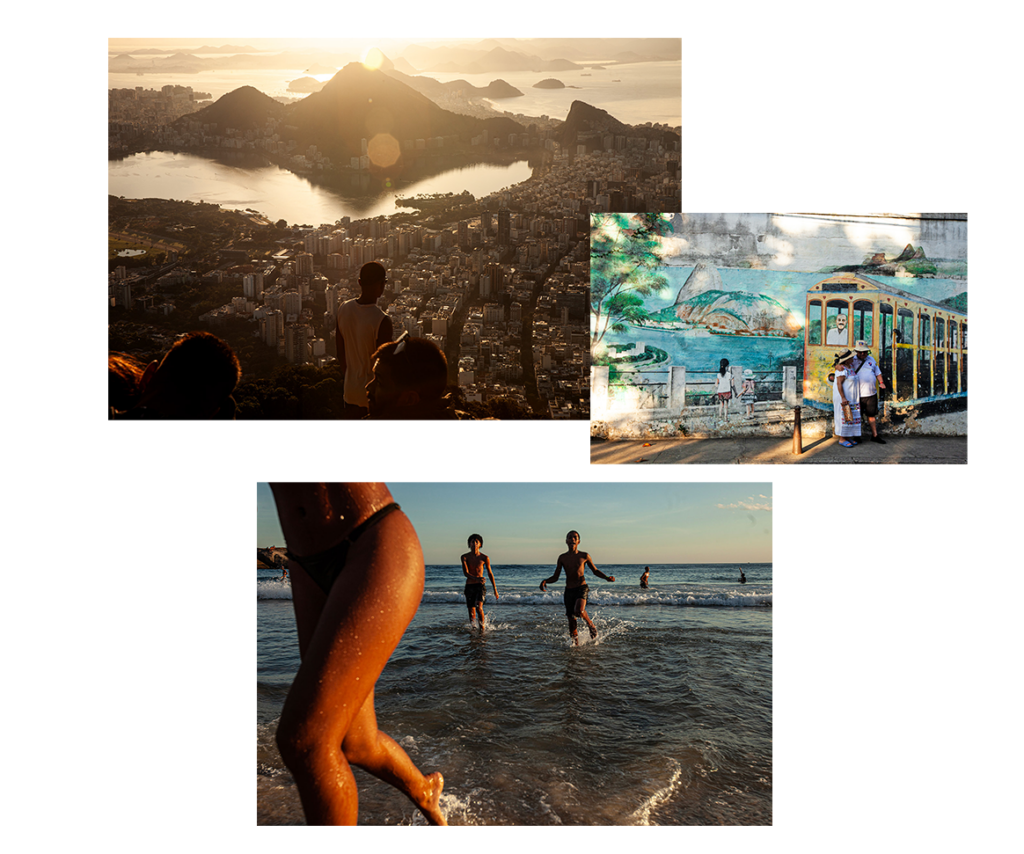
Everyday street scene in Rio de Janeiro: sunrise from the top of Vidiga hill, view of the lagoon and Copacabana beach, children playing on Ipanema beach, couple waiting for the Santa Teresa tram.

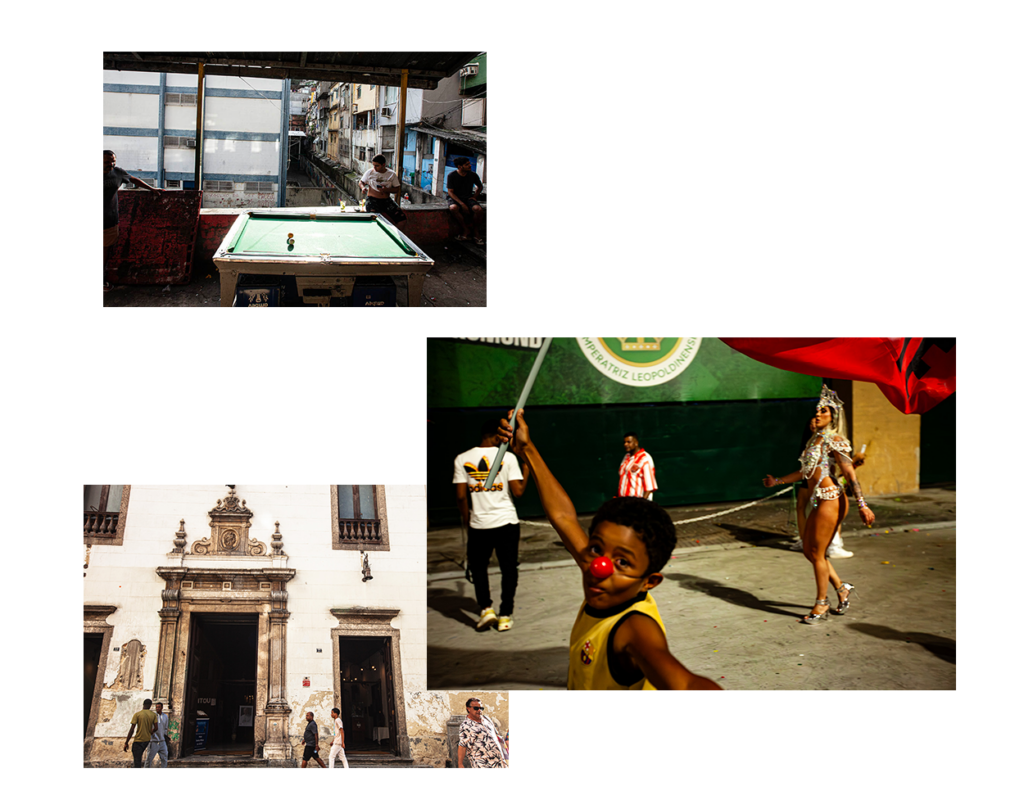
Rio is a city where the rainforest comes down to the streets and every street seems to end at the sea. Its best pictures are rarely the postcards. They’re in the plastic chairs spilling out of a corner bar, the old tram climbing to Santa Teresa, a graveyard of Carnival floats. Here, the ordinary is rarely ordinary.

What we’ll do together, we photograph the city across the week: the old center and its strange corners, portraits in a hillside community, the beach, and the festival in Lapa. Everyone works in the same scenes, but what you make of them is yours. By the end of the week, each photographer has made their own portrait of Rio.

THE WEEK

Day by day

FRI 2 JULY

Arrive

Settle into the villa in Santa Teresa, meet Graeme and the group, and begin the week the Brazilian way: a caipirinha and a relaxed dinner.

SAT 3 JULY

The Center and its strange corners

Graeme opens with how a story is found. Then downtown, at its oddest: the Saturday antiques fair at Praça XV, the packed streets of Saara. In Campo de Santana, agoutis roam free and a rare albino peacock hides among the others, if you can find him.

SUN 4 JULY

Choosing your subject

The festival opens tonight, so the day starts light. Graeme helps you decide what your essay is about, then out to the Glória market and the waterfront park, closed to cars, where most Sundays people dance beneath the modern art museum. After dark, the festival opens under the Arches.

MON 5 JULY

Portraits

You can’t understand Rio without its favelas. We spend the day in Tavares Bastos, on the hill above Catete, with a local host who lives there: its stairways, its corner bars, the neighbors who make it home. How to approach people, earn their trust and make a portrait that’s honest to both of you

TUE 6 JULY

The beach

The beach is where Rio lives in public. For early risers, dawn with Copacabana’s fishermen as the boats come in. Then the open-air gym where locals lift weights made of stone, and the surfers at Arpoador. In the afternoon, a midweek review of your essay with Graeme: what’s working, and what’s still missing.

WED 7 JULY

Zé Pelintra's day

The day the week builds to. Lapa fills from early afternoon: white suits and panama hats, red roses, drums you hear before you see them. Processions wind beneath the Arches and the samba runs late into the night, with Graeme and the team beside you on the street. Back at the villa, a last editing session.

THU 8 JULY

The showcase

The morning is for the final edit: choosing, cutting, putting the pictures in order. Then each photographer presents their portrait of Rio to the people who watched it grow all week, and Graeme gives his last word on it. A farewell lunch, then flights home.

WHERE YOU STAY

Villa in Santa Teresa

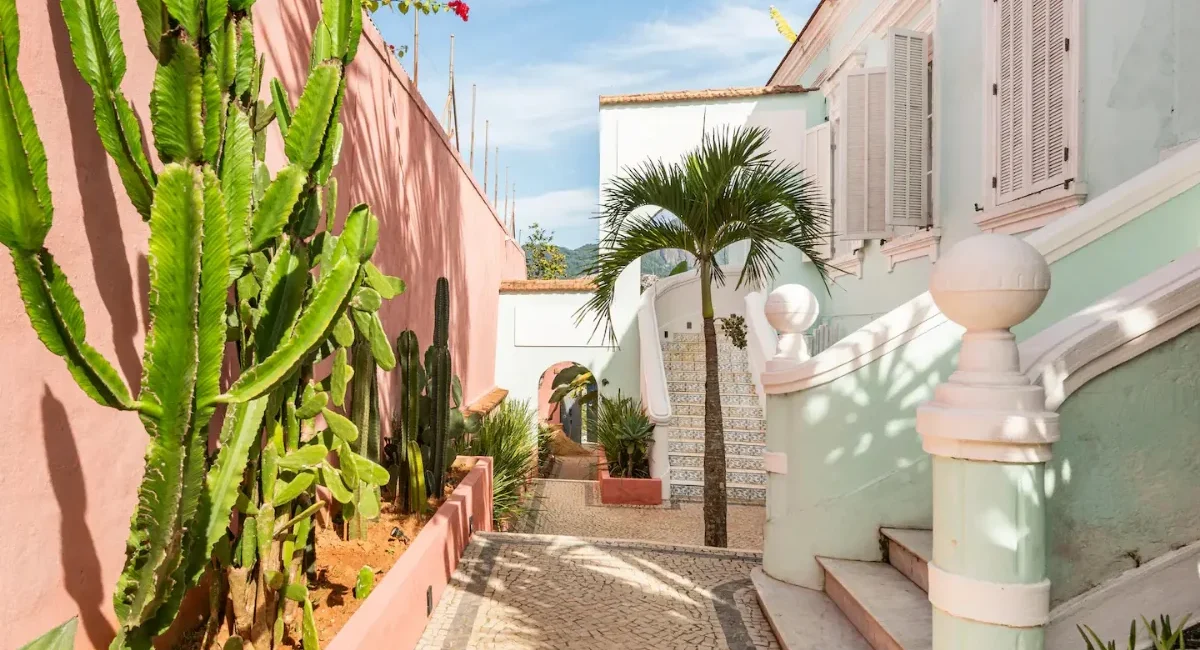
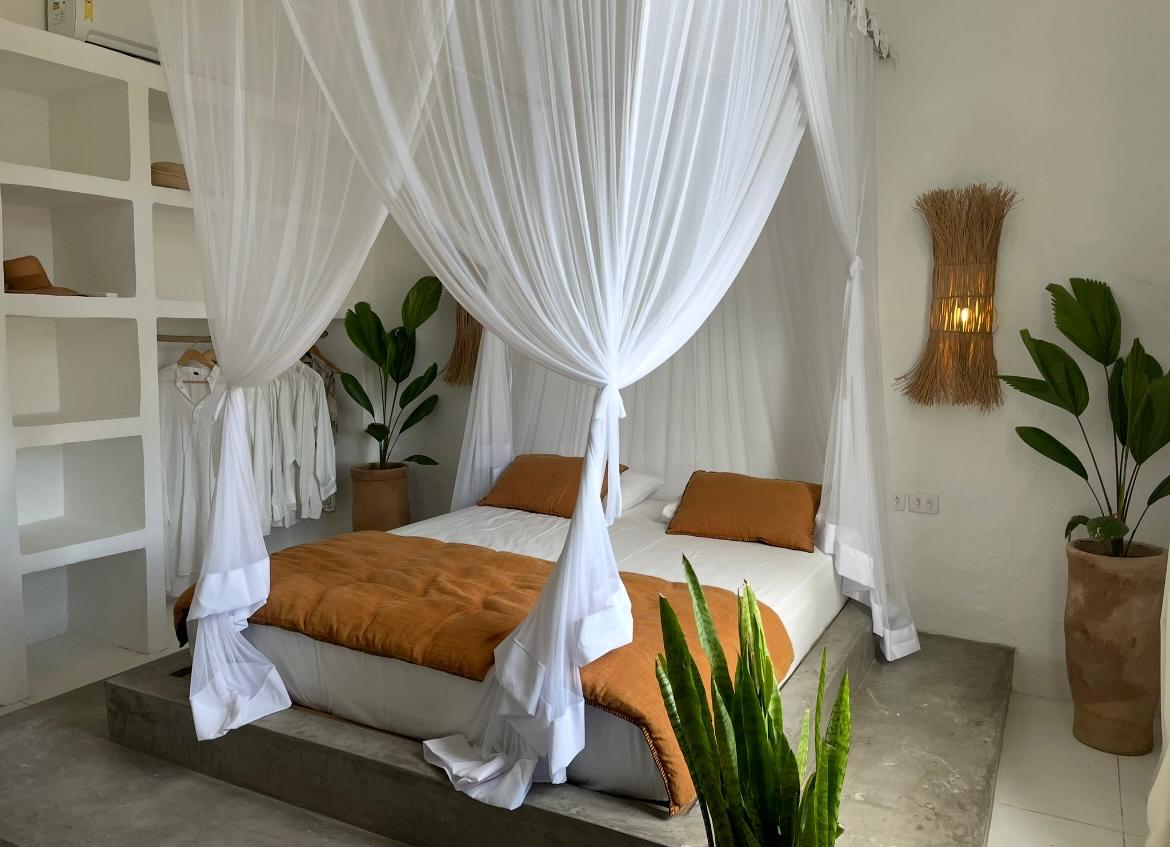
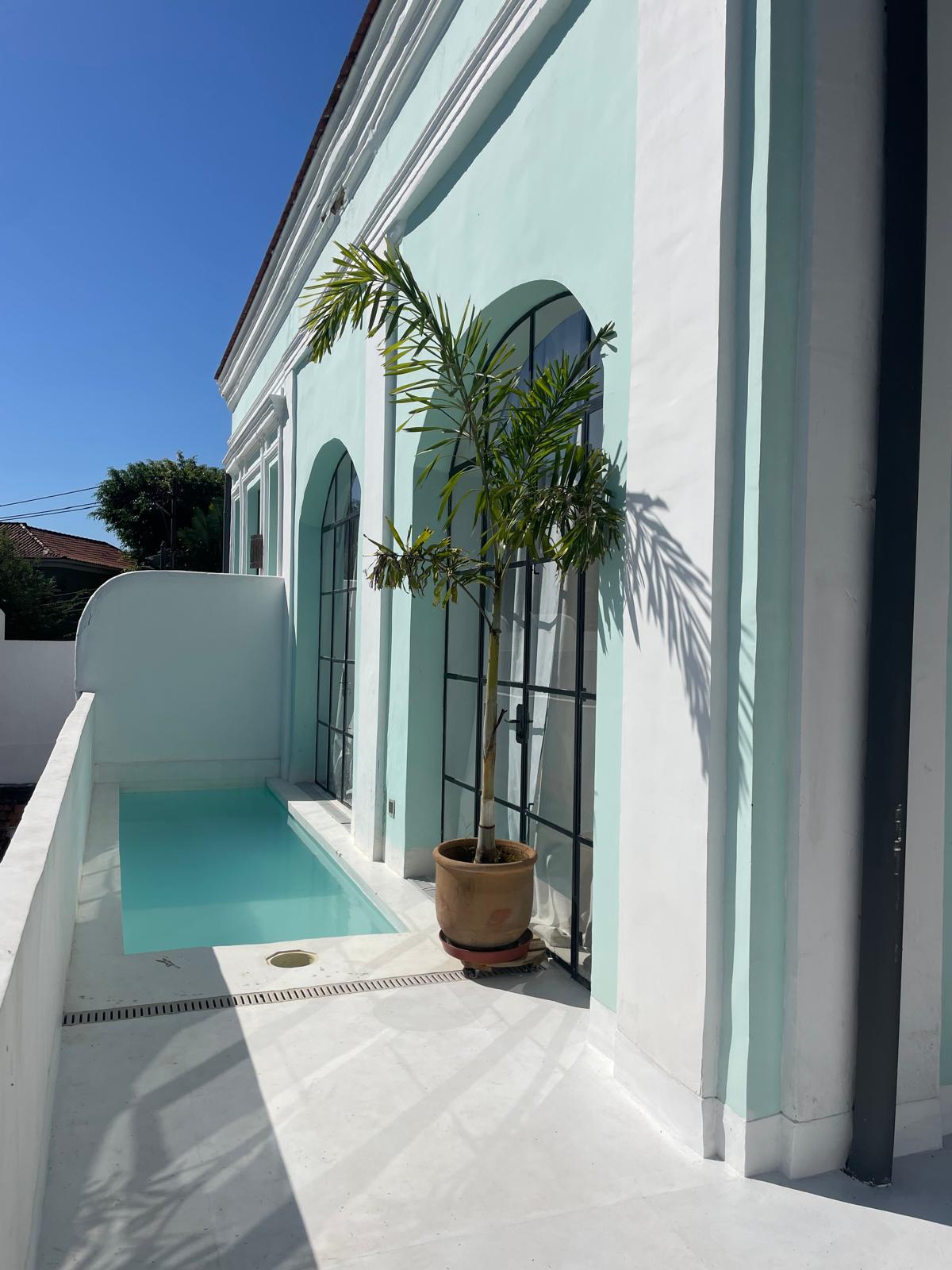
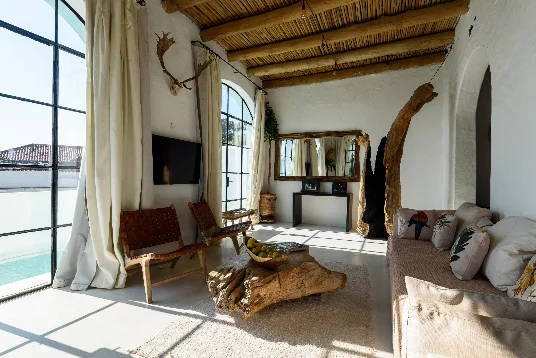
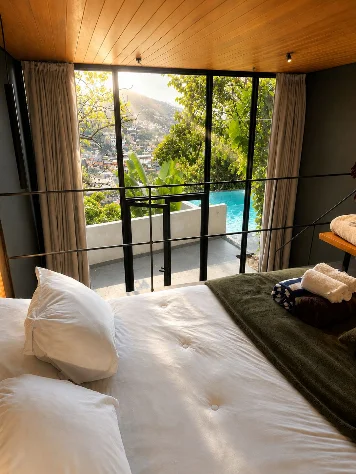
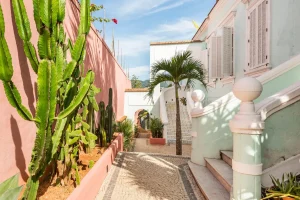
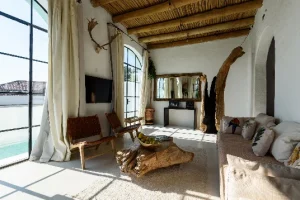
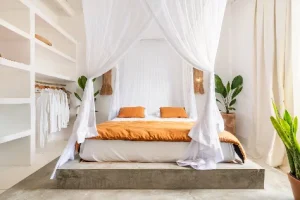
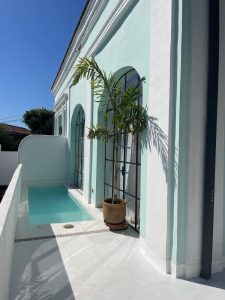
Your base for the week is a private 19th-century villa in Santa Teresa, the old hillside neighborhood above Lapa. You have your own room in one of its apartments, which a few photographers share, each with a small kitchen and a dipping pool. A garden, a view over the city, and a room where the whole group meets for talks, critiques and dinners. After a day in the streets, you come back to quiet, and to the city lights below

WHAT'S INCLUDED

US$5,000, all-inclusive

  • Six days of teaching, group critiques and one-on-one feedback with Graeme Williams, plus a group call with him four weeks before the trip.
  • The closing showcase of your photo-essay.
  • Six nights in your own room at the villa.
  • All meals: breakfast, and three-course lunches and dinners, with water and soft drinks.
  • All transport during the week by private van, with water and snacks on board.
  • Entry fees for everything in the program.
  • Airport pickup on arrival day and drop-off on departure day, at set times.
  • Our local team with you on every shoot, and professional security on festival days.

Not included
Flights to Rio, travel and medical insurance (required), visa fees where needed, alcohol, juices and other drinks.

YOUR HOSTS​

Meet the team

The people who will support you throughout this experience.


La Rampa has published photography since 2000, from Haiti and Cuba to Brazil and Portugal. 


Having been involved in artistic productions for so long, we now feel ready to share our experience. We have organized a highly curated workshop to provide you with the best experience.

Chantal Simone, founder
A photographer trained at Parsons, Chantal founded La Rampa in 2000 and has spent more than twenty-five years working across the Caribbean and Brazil. She has built this week from the places and people she knows best.

raphael d producer

Raphael Durão, producer

Born and raised in Rio, Rapha art-directed La Rampa Magazine and has worked as a producer in magazines, film, and major entertainment events. During the week he takes care of every detail, so you can think only about your pictures.

Serginho, fixer and community leader in Estácio

Serginho, fixer
A musician, a director in the cultural department of the Estácio de Sá samba school, and a community leader in Estácio. He knows every street and every crowd, and he’s with the group on every shooting day.

FAQ

Good questions

Is Rio safe for photographers?

We work in small groups, with a team member always with you, routes planned by people who know them, and professional security on festival days.

What level do I need?

Photographers of every level are welcome, as long as you’re comfortable with your camera, even on automatic. What matters most is wanting to tell a story: the week is about building one, not about technique.

How does booking work? Request your place below and we’ll set up a short call. A deposit of US$ 1,500 secures your place, by bank transfer or card. The balance is due by April 3, 2027.

What if the edition doesn’t go ahead?

We confirm the edition as soon as six places are booked, and no later than March 1, 2027. If it doesn’t go ahead, we refund your deposit in full, or move it to a later edition if you prefer. Full terms come with your booking.

When should I book my flight? As soon as we confirm the edition. We’ll tell you the day the group is complete, so you never risk a ticket for a week that doesn’t happen.

Do I need a visa?

US, Canadian and Australian citizens need a Brazilian e-visa, applied for online. Most European passports don’t. We’ll send you the details when you book.

What should I bring? The camera and lenses you know best (you’ll use your favorite most), spare batteries and cards, a laptop for editing, and a way to back up your pictures each night.

What’s the weather like in July? July is Rio’s dry season: mild days, cool evenings, and clear light. Bring a light jacket for the nights in Lapa.

Which languages are spoken? The masterclass is in English. Your hosts also speak French, Spanish and Portuguese.

Can you cater for dietary needs? Yes. Tell us on the booking form, and every menu will include a vegetarian option.

Do I need insurance?

Yes. Travel and medical insurance is required for every participant.

REQUEST YOUR PLACE

Request your place
Nine spots

1. Tell us a little about yourself and your photography. It takes two minutes.
2. A short call within 48 hours, so we can answer your questions and make sure the week is right for you.
3. If it’s a fit, a US$ 1,500 deposit secures your place, by bank transfer or card. The balance is due by April 3, 2027.

    TESTIMONIALS

    What they say about us

    "It is certainly an enlightening celebration of the stories and cultures of African and Afro-descendant communities, moving us through the tunnels of a dark colonial history, reviving hidden histories and connecting the dots that constitute contemporary Portugal."

    Johanne Affricot
    Artistic Director, GRIOT Magazine.

    "The artwork exceeded all my expectations. The team has an incredible sensitivity for capturing emotions and transforming them into beautiful pieces of art. Every detail feels thoughtful and authentic. I’m truly impressed and delighted with their work."

    James R.
    designer at Storm agency

    "It’s Wonderful! The subject matter, the way it’s done, the beauty and the uniqueness of the photographs, the strength of the arguments. It is a powerful document for the struggle, using poetry and art to bring attention to an often overlooked part of humanity."

    Jean-Yves Loude
    Journalist, ethnologist, writer and author.

    "caught up in the chaos of modern times! I advise everyone to sit down, open La Rampa and slowly plunge into the warmth of its pages – to see real people, body and soul."

    Ra Hendricks
    JAZZMO’THOLOGY, Slipping into Darkness.

    "Working with them was a wonderful experience. Their artistic sensitivity and attention to detail shine through in every piece they create. The final artwork was absolutely beautiful, and I was completely enchanted by the result. I couldn't be happier."

    Sophia Machado
    photographer